For families signing admission papers
Nursing Home Admission in Florida: What to Know Before You Sign
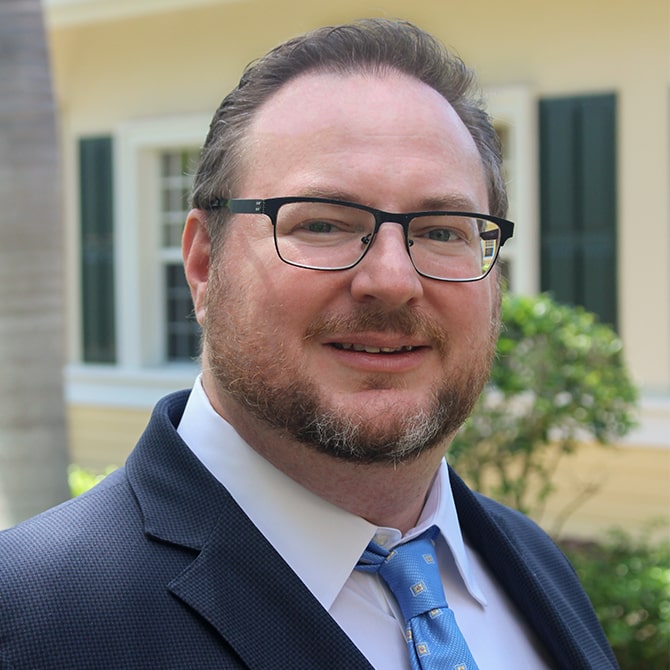
By Brandon Arkin, elder law attorney, Solkoff Legal, P.A. · Updated November 2026

What's in the admission packet
A nursing home admission agreement is a contract between the resident and the facility. The packet can run many pages and may include:
the admission agreement and a list of charges; a page for a "responsible party" or "representative" to sign; a separate arbitration agreement; consent forms, a photo release, and medication and pharmacy choices; the bed-hold policy and a residents' rights notice.
You can ask for a copy to read before signing, and it's reasonable to take a day if the admission timing allows. Florida law gives residents the right to written and oral information about services, charges, and bed-reservation and refund policies before or at admission (Fla. Stat. 400.022(1)(i)).
If you're still choosing a facility, use the nursing home tour checklist first.
The "responsible party" signature
This is the page families most often sign without reading.
Federal rules say a Medicare- or Medicaid-certified nursing home may not request or require a third-party guarantee of payment as a condition of admission, expedited admission or continued stay. The facility may ask a representative who has legal access to the resident's income or resources to sign a contract to pay from those funds, without taking on personal liability (42 CFR 483.15(a)(3)).
In plain English: an adult child shouldn't be asked to promise to pay a parent's bill from the child's own money. But wording varies, and some agreements still say that the representative will make sure bills are paid, apply for Medicaid on time, or pay from the resident's funds.
A few habits help:
Sign with your role shown, such as "Jane Doe, agent under power of attorney for Mary Doe." Cross out language that makes you a guarantor and initial the change, or ask the admissions office to explain it in writing. Remember that if you are the agent, you still have duties to use your parent's money for your parent. See You're mom's agent under a power of attorney.
A facility also can't require a resident to waive Medicare or Medicaid rights, or to promise not to apply for Medicaid (42 CFR 483.15(a)(2)).
The arbitration agreement is optional
An arbitration agreement means that disputes, including claims about care, go to a private arbitrator instead of a court. Under federal rules (42 CFR 483.70(m)):
Signing can't be a condition of admission or of continuing to receive care, and the agreement must say so. It must be explained in a form and language the resident or representative understands. It must provide for a neutral arbitrator and a convenient location. The resident has 30 calendar days after signing to change their mind. It can't stop anyone from talking to state officials or the Ombudsman.
You can decline it and still be admitted. If someone signs it, write the 30-day date on the calendar.
Who pays, and for how long
Medicare covers a short rehab stay, not long-term care. After a medically necessary inpatient hospital stay of at least three days in a row, Medicare may cover up to 100 days of skilled nursing facility care in a benefit period. In 2026 the patient pays nothing for days 1 to 20 and $217 a day for days 21 to 100 (Medicare.gov). Time "under observation" in the hospital doesn't count toward the three days, so ask whether your parent was formally admitted.
Coverage can also end before day 100 if your parent stops needing daily skilled care. The facility must give written notice, and you can ask for a fast appeal.
Long-term care is usually paid privately, by long-term care insurance, or by Florida Medicaid through the Institutional Care Program (ICP). For 2026, ICP generally has a $2,982 monthly income cap and a $2,000 asset limit for a single person, with more protection for a spouse at home (DCF Appendix A-9). Medicaid planning explains those rules. Veterans and surviving spouses can check VA Aid and Attendance.
Admission while Medicaid is pending
"Medicaid pending" means your parent has applied, or will apply, and is waiting for approval.
Timing matters. For most adults, Florida Medicaid starts no earlier than the first day of the month DCF receives the application. Florida no longer gives most adults three months of retroactive coverage (AHCA). Filing before the end of the month can save a month of private pay. If your parent's income is over $2,982, a Qualified Income Trust (Miller trust) generally must be funded each month.
Once Medicaid approves, your parent usually pays a monthly share of income to the facility, called patient responsibility, and keeps a $160 personal needs allowance. Florida law also says a resident can't be moved or discharged just because the payment source changes, for example from private pay to Medicaid. An admission agreement can't waive that right (Fla. Stat. 400.022(1)(p)).
The application steps are on the Resources page.
The bed-hold policy
A bed-hold is the facility's promise to keep your parent's bed during a hospital stay. In Florida, a private-pay resident's bed is held for up to 30 days per hospitalization, if the facility is paid for those days. For a Medicaid resident, the bed is held for as long as Medicaid pays for it, up to 15 days, with some exceptions. The facility must give notice within 24 hours of the hospitalization (Fla. Stat. 400.022(1)(u)).
Federal rules require written bed-hold information before a transfer and again at the time of transfer. If the hold runs out, a resident who still needs care and is eligible for Medicare or Medicaid nursing home coverage generally gets the first available semi-private bed (42 CFR 483.15(d)–(e)).
Residents' rights and discharge protections
Florida's residents' rights law (Fla. Stat. 400.022) includes the right to:
private communication and visits; manage personal finances; take part in care planning; refuse treatment; privacy in personal care; be free from abuse, neglect, exploitation and unauthorized restraints; see the latest inspection results; voice grievances without retaliation.
Discharge is limited to specific reasons, such as needs the facility can't meet, improved health, safety risks, or nonpayment after reasonable notice (42 CFR 483.15(c)). In Florida, the facility generally must give 30 days' written notice on the state form, with a copy to the Ombudsman. The resident may request a hearing within 90 days of the notice, and a request within 10 days generally keeps the resident in place until a decision (Fla. Stat. 400.0255).
The Long-Term Care Ombudsman Program is a free, confidential advocate for residents: 1-888-831-0404. To report suspected abuse, neglect or exploitation, call the Florida Abuse Hotline at 1-800-962-2873.
Admission papers checklist
Tick each item as you check it. Nothing is saved.
Tick boxes stay on this device. Nothing is saved or sent.
Common questions
Do I have to sign as the responsible party for my parent?
Not as a personal guarantor. Federal rules bar a Medicare- or Medicaid-certified nursing home from requiring a third-party guarantee of payment as a condition of admission or continued stay. The facility may ask someone with legal access to your parent's money, such as an agent under a power of attorney, to sign an agreement to pay from your parent's income and assets, without personal liability. Read the wording closely, sign with your role shown, and ask about any line that sounds like a promise to pay yourself. If you're unsure, ask for time to have the agreement reviewed.
Can a nursing home refuse admission if we won't sign the arbitration agreement?
Not at a Medicare- or Medicaid-certified facility. Under 42 CFR 483.70(m), signing a pre-dispute arbitration agreement can't be a condition of admission or of continuing to receive care, and the agreement itself must say so. It must be explained in a way the resident or representative understands, it must provide for a neutral arbitrator, and the resident has 30 calendar days after signing to rescind it. It also can't prevent anyone from contacting state officials or the Long-Term Care Ombudsman. You can decline the arbitration agreement and still sign the admission agreement.
How long will Medicare pay for a nursing home in Florida?
Only for skilled care, and only for a limited time. After a medically necessary inpatient hospital stay of at least three days in a row, Medicare may cover up to 100 days in a skilled nursing facility per benefit period. In 2026 the patient pays nothing for days 1 to 20 and $217 a day for days 21 to 100. Coverage ends sooner if daily skilled care is no longer needed. Medicare doesn't pay for long-term custodial care. For that, families usually pay privately, use long-term care insurance, or apply for Florida Medicaid.
If your family is facing one of these questions, you can reach Brandon Arkin at Solkoff Legal, P.A. at (561) 733-4242.
Talk through the next step
Bring your questions, a list of accounts and any papers a hospital, nursing home or Medicaid office has sent you. Call the Delray Beach office or request a consultation, and I can look at where things stand and what may come next. A phone call or an email does not by itself create an attorney-client relationship.
Solkoff Legal, P.A. · (561) 733-4242